Florida Residential Wall Codes Guide | Orlando General Contractor Insights

Florida building code interior walls residential standards get updated every three years. These updates include new technologies, construction practices, and safety requirements.
Building codes in Florida can feel overwhelming, especially with structural changes or renovations on your list. Your plans might include a simple interior wall change or a complete home renovation. Understanding these regulations is a vital part of any construction project. The Florida Building Code sets the state standard for all construction and renovation projects, with specific requirements ranging from load ratings to fire safety.
We created this complete guide to help you understand and follow Florida building code wall requirements. You'll learn everything about residential wall standards in the Sunshine State - from insulation specifications to permitting processes. This guide will help you meet all regulations and avoid fines that can get pricey. The penalties can exceed $10,000, which is a big deal as it means that careful planning is essential.
This guide explains the key wall code requirements in simple terms so you can plan confidently, avoid costly mistakes, and work smoothly with your remodeling contractor or designer.

Understanding Florida Residential Wall Types
Florida's building code puts residential walls into different categories. Each category has its own requirements to keep buildings safe and strong. You need to know these categories before starting any construction or renovation project.
Single-family vs. multifamily wall requirements
The Florida Building Code shows clear differences between single-family and multifamily structures. Single-family homes stand alone and don't share walls with other homes. Multifamily buildings house several residential units under one roof.
The code considers properties with two to four residential units as multifamily homes. Buildings with more than four units fall under commercial real estate rules. This affects how building codes apply to the property.
Multifamily homes usually have shared spaces like gardens, laundry areas, and common walls. These shared walls need stronger fire protection than single-family home walls. On top of that, the Florida Building Code has specific rules based on the number of stories, especially when buildings go up to three stories with separate exit paths.
Load-bearing vs. non-load-bearing walls
Load-bearing walls hold up everything above them - the roof, second-floor frame, or ceiling joists. These walls connect to your home's structural frame and keep everyone safe.
You can build interior non-bearing walls with 2-inch-by-3-inch studs placed 24 inches apart. Load-bearing walls need stronger framing. Non-bearing walls don't need headers for openings up to 8 feet wide if the space to the parallel nailing surface above stays under 24 inches.
Almost all exterior walls bear loads. In one-story homes, you'll find load-bearing walls near the center, running across floor or ceiling joists. Homes with attics or second stories might have structural interior walls, particularly under beams or ridge lines.

Common wall materials used in Florida homes
The Florida Building Code allows these wall materials for homes:
Masonry: Exterior masonry walls must follow Chapter 21 rules. Builders often use concrete blocks, calcium silicate, or clay brick.
Concrete: Concrete wall design must meet Chapter 19 standards and follow PCA 100 or ACI 318 guidelines[72].
Wood: Wood framing needs a grade mark from an approved lumber grading agency. Studs must be at least No. 3, standard, or stud grade lumber.
Metal: Cold-formed steel and aluminum walls must follow Chapters 22 and 20 rules.
Builders can also use fiber-cement siding (at least 0.25 inches thick) and vinyl siding (at least 0.035 inches thick) if they meet certification standards.
Whatever material you choose, all walls must handle imposed loads and transfer them to supporting structural elements.
(Helpful Resource: See our Home Remodeling Services page to learn how code-compliant structural changes are handled by a licensed remodeling contractor.)
Wall Insulation and Energy Code Compliance
Your home's insulation does more than keep you comfortable; the Florida Building Code requires it to make residential structures energy efficient. Here's what you need to know about these requirements to stay compliant and keep your energy costs down.
Florida building code wall insulation R-values
The Florida Building Code sets specific R-value requirements based on how your walls are built. Framed walls need insulation that meets or exceeds R-13. Block walls have different requirements: interior insulation should be at least R-7.8, while exterior insulation needs a minimum R-6 rating. These values change slightly depending on your location in Florida. Mass walls need R-3/4 in Climate Zone 1 and R-4/6 in Climate Zone 2.
Approved insulation materials and methods
Florida residential walls can use these approved insulation materials:
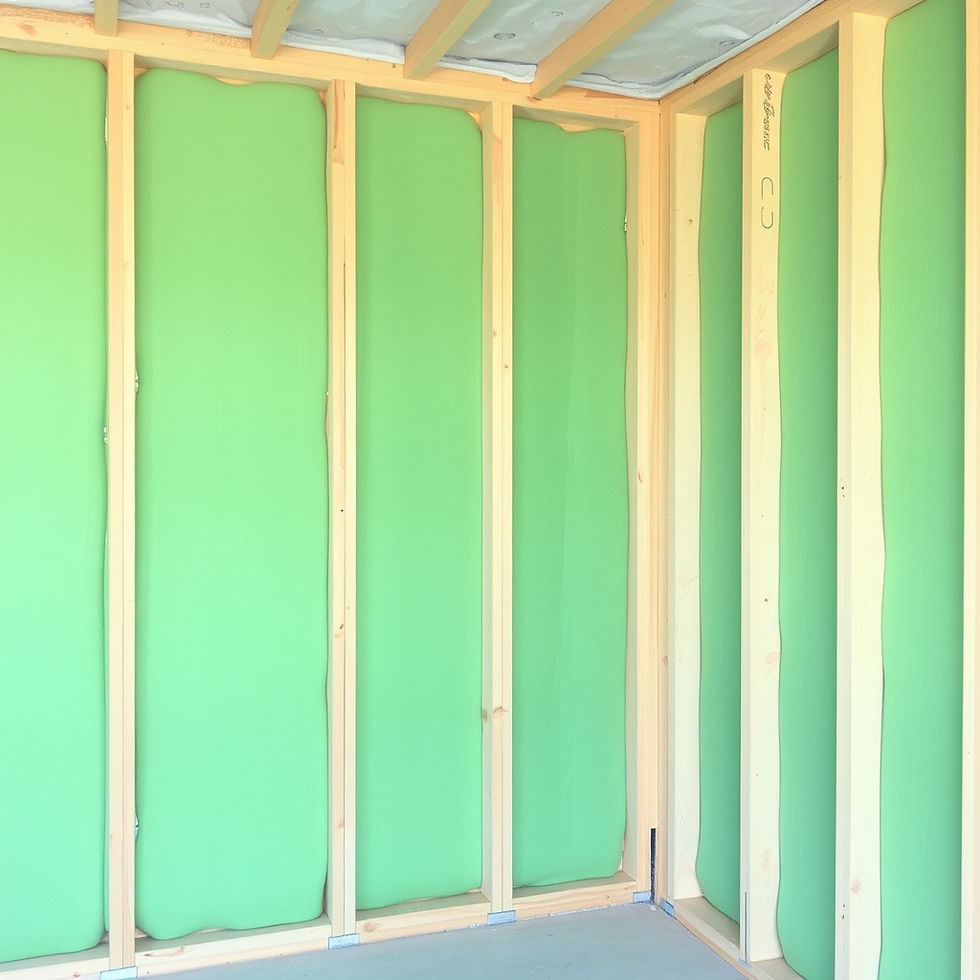
Fiberglass batts: Common in framed walls, providing the required R-13 value
Spray foam: Offers superior air-sealing properties and moisture resistance
Rigid foam boards: Available in various thicknesses providing R-values from 3.0 to 5.0
Radiant barriers: Work really well in Florida's climate by reflecting up to 97% of radiant heat
Block walls can have foam board with foil facing installed right on the wall sur
face. Wood or metal furring strips are then secured into the blocks. This creates the air space you need to meet minimum R-value requirements.
Energy performance documentation requirements
The code requires specific tests and paperwork. You'll need a blower door test to prove your building's air leakage stays under 7 air changes per hour (ACH50). Code officials must get this test report before they'll issue your Certificate of Occupancy.
Your ducts also need pressure testing by professionals licensed under Florida Statutes Section 489.105(3) to make sure they're airtight. The building's thermal envelope must stop air leaks by properly sealing all components listed in Table R402.4.1.1.
Missing these requirements isn't just about breaking rules; you could end up paying thousands in fines. Good documentation throughout your project will help you avoid these issues.
Fire Separation and Structural Safety
Fire safety stands as the main goal of Florida's residential building code, which establishes specific standards to protect living spaces effectively.
Fire-rated wall assemblies for attached dwellings
Multifamily dwellings need one-hour fire separations between units, which includes shared walls, floors, and ceilings. Fire walls in multi-story buildings must stretch from the foundation to 30 inches above adjacent roofs. The two-hour fire-resistance-rated walls can end at the roof sheathing when the roof assembly has a one-hour fire-resistance rating within 4 feet of the wall.
Egress and emergency escape wall openings
Each sleeping room requires at least one working emergency escape opening with direct outdoor access. These openings must follow specific size requirements:
Minimum net clear opening area: 5.7 square feet (5.0 square feet for ground-level openings)
Minimum opening height: 24 inches
Minimum opening width: 20 inches
Maximum height from floor to bottom of opening: 44 inches
Residents should operate escape windows easily from inside without keys or special knowledge.
Wall penetrations and firestop systems
Approved firestop systems must protect any penetrations through fire-rated assemblies, such as those for pipes, conduits, or ducts. These systems undergo testing according to ASTM E814 or UL 1479 standards and must maintain the required fire-resistance rating of the penetrated assembly. The core team responsible for different trades typically handles firestopping their respective penetrations in firewalls.
Permitting, Plans, and Final Inspections
The permitting process is one of the most challenging parts of any Florida residential wall project. Getting proper approval needs detailed planning and careful documentation to avoid getting hit with penalties.
What to include in your wall construction plans
Complete construction plans must be dimensioned and drawn to scale for permit approval. Your wall project submission should have:
Complete legal description of the property
Site plan showing property lines, easements, and dimensions
Construction plans with detailed wall specifications
Energy calculations signed by a contractor or architect
Walls higher than 6 feet (all but one of these chain-link fences) need blueprints with signatures and seals from a Florida Registered Architect or Engineer. Any wall changes that affect structural components need plans that show how the design handles imposed loads.

How to pass wall-related inspections
Your project must pass mandatory inspections after permit approval. Building inspectors will visit each structure during construction to check code compliance. A successful inspection adds 180 more days to your permit validity.
These steps will help you get approval:
Keep approved plans and building cards posted on-site
Schedule inspections at appropriate construction phases
Keep all work areas clean and available
Make sure knowledgeable staff is present during inspections
Building inspectors will check strapping, connectors, and sheathing; areas where most violations occur.
Common mistakes that lead to fines
Missing inspection requirements can lead to penalties between $500 and $5,000 per violation. Working without proper permits can result in $500 fines per violation.
Common wall-related violations include:
Starting construction without permits
Missing required inspections
Improper strapping installation
Incorrect spacing or angles in wall trusses
You can avoid these expensive mistakes by checking permit requirements first. Use licensed contractors who know local codes and complete final inspections to close permits quickly.
Conclusion
Florida's residential wall codes play a crucial role for homeowners planning construction or renovation projects. This piece explores key differences between wall types, insulation requirements, fire safety regulations, and permitting processes that will affect your building plans.
These regulations do more than protect structural integrity—they safeguard your investment and will give you peace of mind about everyone's safety in your home. Different wall classifications need specific construction approaches. Load-bearing walls support your home's structure, while non-load-bearing walls offer more flexibility in design.
Your walls must have proper insulation; it's not optional. Your walls' specific R-values will affect your home's energy efficiency and monthly utility bills. Fire separation requirements protect residents, especially in multifamily dwellings where shared walls must meet strict safety standards.
The permitting process needs your complete attention. Unauthorized construction or failed inspections can get pricey; penalties can exceed $10,000. You can avoid this expensive mistake through proper planning and documentation.
Note that Florida updates these building codes every three years. These updates reflect new construction technology and safety practices. Staying current with regulations helps avoid violations while your home meets the latest safety standards.
This complete guide helps you confidently handle Florida's residential wall codes for new construction or interior wall modifications. Understanding these requirements saves money, prevents delays, and confirms your project is legally compliant and structurally sound.
If you’re planning a remodeling or renovation project and want expert guidance on permitting, inspections, and code compliance, consider scheduling a quick consultation with an Orlando general contractor to review your plans and next steps.
Key Takeaways From Orlando General Contractor
Understanding Florida's residential wall codes is crucial for avoiding costly violations and ensuring safe construction. Here are the essential points every homeowner and contractor should know:
• Know your wall classifications:
Load-bearing walls require 2x4+ studs while non-bearing walls can use 2x3 studs spaced 24" on center - misclassification leads to structural failures.
• Meet insulation R-values:
Framed walls need R-13 minimum, block walls require R-7.8 interior or R-6 exterior - proper documentation prevents energy code violations.
• Fire safety is mandatory:
Multifamily units need 1-hour fire separation between units, and all sleeping rooms require emergency escape openings with specific size requirements.
• Permit everything properly:
Wall modifications over 6 feet or structural changes require sealed plans from Florida licensed professionals - working without permits triggers $500-$5,000 fines.
• Schedule required inspections:
Missing mandatory wall inspections can void permits and result in penalties exceeding $10,000 - always keep approved plans posted on-site.
The Florida Building Code updates every three years, so staying current with these requirements protects your investment while ensuring compliance with the latest safety standards and construction practices.
FAQs
Q1. What are the main differences between load-bearing and non-load-bearing walls in Florida homes?
Load-bearing walls support the weight of the structure above them and require more substantial framing, typically using 2x4 or larger studs. Non-load-bearing walls can be constructed with 2x3 studs spaced 24 inches apart and don't require headers for openings up to 8 feet wide.
Q2. What are the insulation requirements for residential walls in Florida?
For framed walls, insulation must meet or exceed R-13. Block walls require R-7.8 for interior insulation or R-6 for exterior insulation. The specific requirements may vary slightly depending on the climate zone within Florida.
Q3. What fire safety measures are required for multifamily dwellings in Florida?
Multifamily dwellings require one-hour fire separations between units, including shared walls, floors, and ceilings. Fire walls must extend from the foundation to at least 30 inches above adjacent roofs in buildings with more than one story.
Q4. What are the emergency escape requirements for sleeping rooms in Florida homes?
Every sleeping room must have at least one operable emergency escape opening leading directly outside. These openings must have a minimum net clear area of 5.7 square feet (5.0 for ground-level), a minimum height of 24 inches, a minimum width of 20 inches, and be no more than 44 inches from the floor.
Q5. What are the consequences of failing to obtain proper permits for wall modifications in Florida?
Working without proper permits can result in fines of up to $500 per violation. Additionally, failing to comply with inspection requirements can lead to penalties ranging from $500 to $5,000 per violation. In some cases, the total fines can exceed $10,000.
Thinking about a renovation or structural wall change in your home? Larsa Construction; an Orlando General Contractor can help you review code requirements, assess structural conditions, and plan a safe, compliant project.
Request a consultation on our Contact Page when you’re ready to discuss your ideas.


